
Mindful Self-Awareness for Stress Relief and Optimal Performance
Imagine navigating daily challenges with calm clarity and enhanced focus—this is the promise of mindful self-awareness for stress relief. Cultivating this skill empowers you to observe your inner experiences objectively, reducing stress while boosting your ability to perform optimally in every aspect of life. Join us as we explore how to unlock these transformative benefits with insights from expert George Pitagorsky of Self-Aware Living.
Understanding Mindful Self-Awareness
Defining Mindful Self-Awareness and Its Role in Stress Relief
Stress is a natural part of life. Unmanaged it gets in the way of performance.
George, of Self-Aware Living, explains, "The ability to become mindfully aware, which means to be able to objectively observe whatever is occurring around and within oneself, is the critical factor in the ability to act effectively in the world."
Mindful self-awareness is fundamentally about the capacity to consciously observe your thoughts, emotions, and sensations without immediate reaction or judgment. This ability allows you to acknowledge stressful stimuli without becoming overwhelmed, giving you the freedom to respond rather than react. George emphasizes that this skill is a cornerstone for effective action—both personally and socially—by enabling a thoughtful rather than impulsive engagement with the world.
By fostering this form of awareness, individuals gain insight into their internal experiences, recognize stress triggers early, and apply calming strategies before stress escalates. In essence, mindful self-awareness helps bridge the gap between stimulus and response, creating space for deliberate choices that promote resilience and wellbeing.
Common Misconceptions About Mindfulness and Stress Relief
A prevalent misunderstanding is treating mindfulness as a quick fix or a purely spiritual exercise detached from practical life outcomes. Many expect that simply practicing mindfulness will instantly eliminate stress or magically transform behavior. However, George clarifies that mindfulness is an inherent human capability that must be cultivated with intention, effort, and courage.
Some may dismiss mindfulness techniques as time-consuming or ineffective, overlooking the profound opportunity they provide for personal growth and enhanced social intelligence. Without proper understanding, people risk missing the chance to develop emotional regulation skills that support healthier relationships and better mental health.

Mindfulness Exercises and Meditation Practices for Stress Relief
Effective Mindfulness Meditation Techniques to Practice Mindful Self-Awareness
According to George, "Mindfulness is an already existing capability of everyone's mind. Enhancing it requires strong intention, motivation, and the courage to look at oneself honestly."
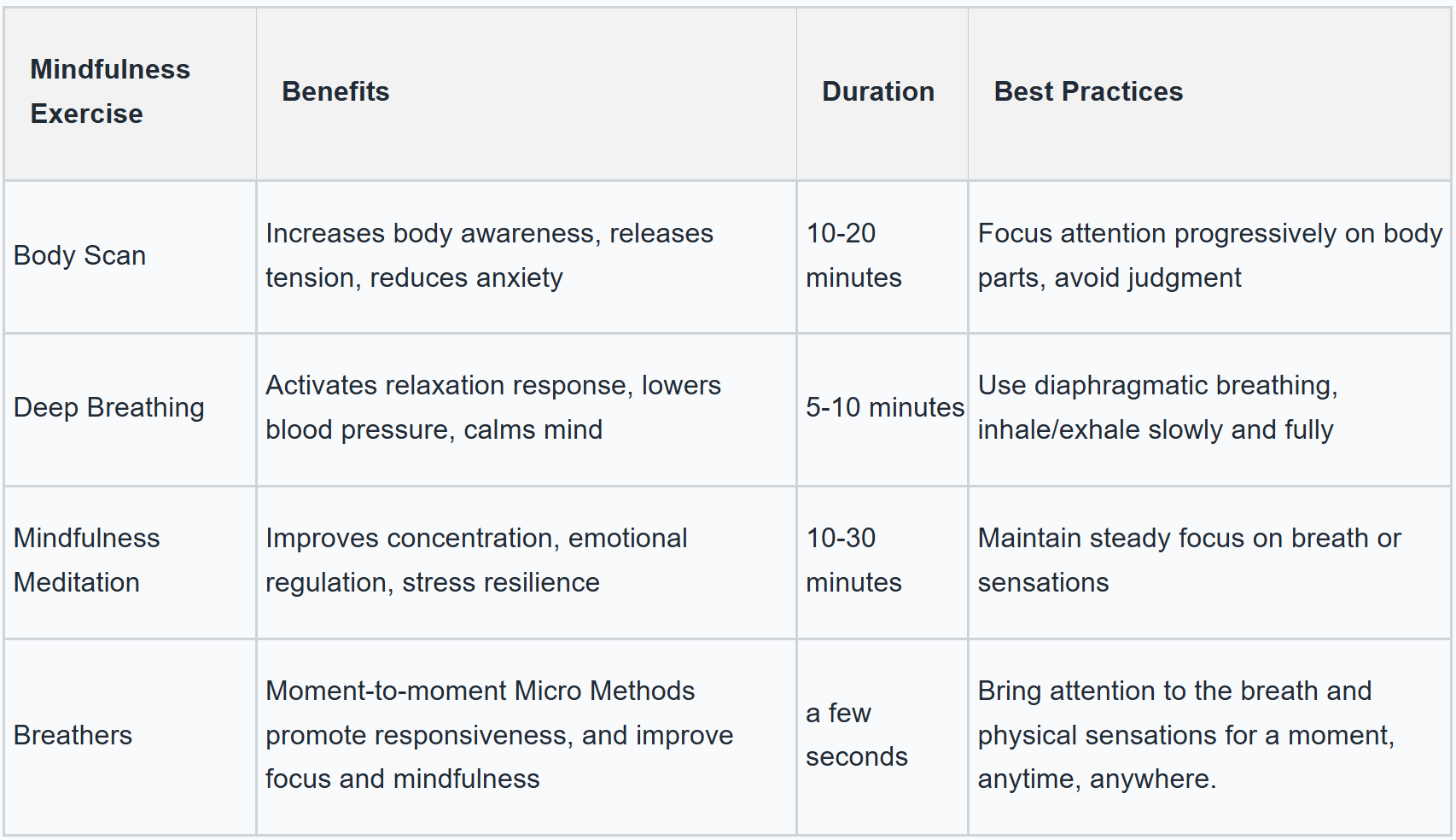
Mindfulness meditation is a deliberate practice of focusing attention on the present moment with openness and acceptance. Techniques include focusing on the breath, observing thoughts, physical sensations and feelings as they arise, or guided meditations that encourage nonjudgmental awareness. Techniques can be integrated into daily life as micro-meditations that take seconds.
George stresses that mindfulness itself is innate but enhancing it demands a solid commitment. Practitioners must courageously confront internal obstacles and cultivate insight into patterns of thought and behavior that contribute to stress.
Practical Mindfulness Exercises to Reduce Chronic Stress and Lower Blood Pressure

Scientific studies confirm that consistent mindfulness exercises lower physiological markers of chronic stress, such as blood pressure and heart rate. Techniques like focused attention on breathing and progressive muscle relaxation engage the parasympathetic nervous system, calming the body's stress response.
Incorporating brief mindfulness sessions throughout the day can offset the accumulation of stress, improving both mental health and physical resilience. These practices contribute not only to momentary relaxation but foster long-term improvements in stress management capacity.
The Mind and Body Connection in Managing Mental Health Through Mindful Awareness
How Mindful Awareness Supports Mental Health and Stress Management
The mind-body connection is integral to emotional regulation and stress resilience. Mindful awareness fosters this connection by promoting conscious recognition of internal states and their physical manifestations.
George notes that mindful self-awareness enhances social intelligence and interpersonal effectiveness by deepening understanding of one's emotional landscape and reactions. This leads to better coping strategies and reduced incidence of anxiety and depression linked to chronic stress.
Using Deep Breathing and Body Scan to Improve Mind and Body Harmony
Combining deep breathing with body scan techniques supports synchronizing mental and physical states, creating a feedback loop of calm and awareness. These exercises enable individuals to detect early signs of stress and intervene proactively.
The gentle focus on breath and bodily sensations helps break the cycle of rumination and heightened sympathetic nervous system activity, allowing for greater emotional balance and mental clarity in daily life.
Common Mistakes and Misconceptions in Practicing Mindful Self-Awareness for Stress Relief
Why Mindfulness Alone Is Not a Magic Solution

Many people mistakenly believe that simply sitting down to practice mindfulness will instantly solve their stress issues. George warns against this expectation. Mindfulness practices require active engagement and consistent effort to realize their benefits.
Expecting immediate transformation without addressing underlying intentions or mental habits risks frustration and abandonment of practice. Mindfulness should be viewed as a skill to be developed, not a magical cure.
The Role of Intention, Motivation, and Courage in Effective Practice
Effective mindful self-awareness depends heavily on the practitioner's motivation and willingness to confront uncomfortable truths about themselves. George highlights that courage is essential to look honestly at one’s inner workings, identify obstacles to growth, and consciously choose pathways toward improvement.
This intentional approach transforms mindfulness from a passive activity into a powerful tool for personal development and stress resilience.
Actionable Tips to Practice Mindful Self-Awareness for Stress Relief Daily
Starting with Simple Breathers: Focusing on Breath and Posture
George advises, "Take a moment to take stock of your posture and breath, inhale and exhale, and experience the moment fully without thinking about being present. This simple practice can be done for a minute or two several times a day."
Beginning your journey toward mindful self-awareness can be simple but transformative. Taking periodic pauses—referred to as "breathers"—to check in with your posture and breathing grounds you in the present and resets your nervous system.
This accessible practice does not require special equipment or time-consuming routines; it can be integrated naturally throughout your day, providing immediate relief from mounting stress and sharpening focus for optimal performance.

Integrating Mindfulness Exercises into Everyday Life for Optimal Performance
To maximize the benefits of mindful self-awareness for stress relief, it is important to embed mindfulness exercises seamlessly into daily routines. This might involve scheduled times for meditation, mindful walking, or brief focus on sensory experiences during regular activities.
The cumulative effect of consistent practice enhances emotional regulation, cognitive flexibility, and social interaction skills—key components in achieving balanced performance in work and personal life.
People Also Ask
What is mindful self-awareness for stress relief?
Mindful self-awareness for stress relief involves consciously observing one’s thoughts, feelings, and bodily sensations in the present moment to reduce stress and improve overall well-being. This attentive presence allows people to respond thoughtfully to stressors rather than react impulsively.
How can mindfulness exercises help reduce chronic stress?
Mindfulness exercises such as deep breathing and body scans help activate the relaxation response, lowering blood pressure and reducing the physiological effects of chronic stress. These practices calm the nervous system, lessen anxiety, and improve heart rate variability.
What practical steps can I take to start practicing mindful self-awareness?
Begin with simple breathers by focusing on your breath and posture for a few minutes throughout the day, cultivating presence without judgment or expectation. This focus will gradually strengthen your ability to stay mindful amid daily challenges.
Key Takeaways
Mindful self-awareness is essential for effective stress relief and optimal performance.
Body awareness and mindfulness exercises like body scans and deep breathing enhance mental and physical health.
Successful mindfulness practice requires intention, motivation, and courage to face inner obstacles.
Simple daily practices such as breatherscan initiate meaningful improvements in stress management.
Conclusion
Mindful self-awareness for stress relief is a powerful tool that, when practiced with intention and courage, can transform how individuals manage stress and perform in daily life. By integrating body awareness, mindfulness exercises, and practical breathers, anyone can begin a journey toward improved mental health and optimal performance.
Take the First Step Toward Mindful Self-Awareness Today
Start your mindful self-awareness journey now by dedicating a few moments each day to focus on your breath and posture. Embrace the process with intention and courage to unlock your full potential for stress relief and optimal performance. Overcome obstacles and unnecessary stress with George Pitagorsky.
Sources
"The Peaceful Warrior's Path: Optimal Wellness through Self-aware Living" https://tinyurl.com/Peaceful-Warrior-Pitagorsky